


Agentic AI Multi-Agent Systems 2026: The Year Autonomous Workflows Transform Business Operations
With the global AI market projected to exceed $800 billion by 2030 and agentic AI adoption accelerating faster than any previous enterprise technology wave, organizations that fail to embrace autonomous workflows risk being left behind by competitors who deploy digital workers that never sleep, never err from exhaustion, and continuously improve their performance.
This isn't just incremental progress. It's a fundamental reimagining of how work gets done—and 2026 is proving to be the tipping point where multi-agent systems move from promise to reality.
Key Takeaways
-
Multi-agent systems dominate enterprise AI: According to IBM's research on agentic AI, organizations deploying multi-agent architectures report significantly higher task completion rates compared to single-agent implementations, with specialized agents handling discrete subtasks through coordinated orchestration.
-
Visual workflow builders democratize AI automation: No-code platforms like DIMA-AI's kanban-based agent builder are eliminating technical barriers, enabling business users to deploy complex multi-agent workflows without writing code—a critical factor driving enterprise adoption.
-
The market is exploding: The agentic AI market is expected to grow exponentially between 2025 and 2030, with enterprise deployments moving from pilot projects to production-scale implementations across every major industry vertical.
-
Transparency becomes non-negotiable: Modern multi-agent platforms prioritize observability, allowing organizations to see exactly how their digital workers operate—a crucial requirement for compliance, debugging, and trust-building with stakeholders.

What Makes 2026 the Breakthrough Year for Agentic AI
The convergence of several technological and market factors has created perfect conditions for agentic AI multi-agent systems to achieve mainstream enterprise adoption. Unlike previous AI waves that required specialized expertise and significant infrastructure investment, today's autonomous agent platforms are designed for accessibility and immediate deployment.
The Technical Foundation Has Matured
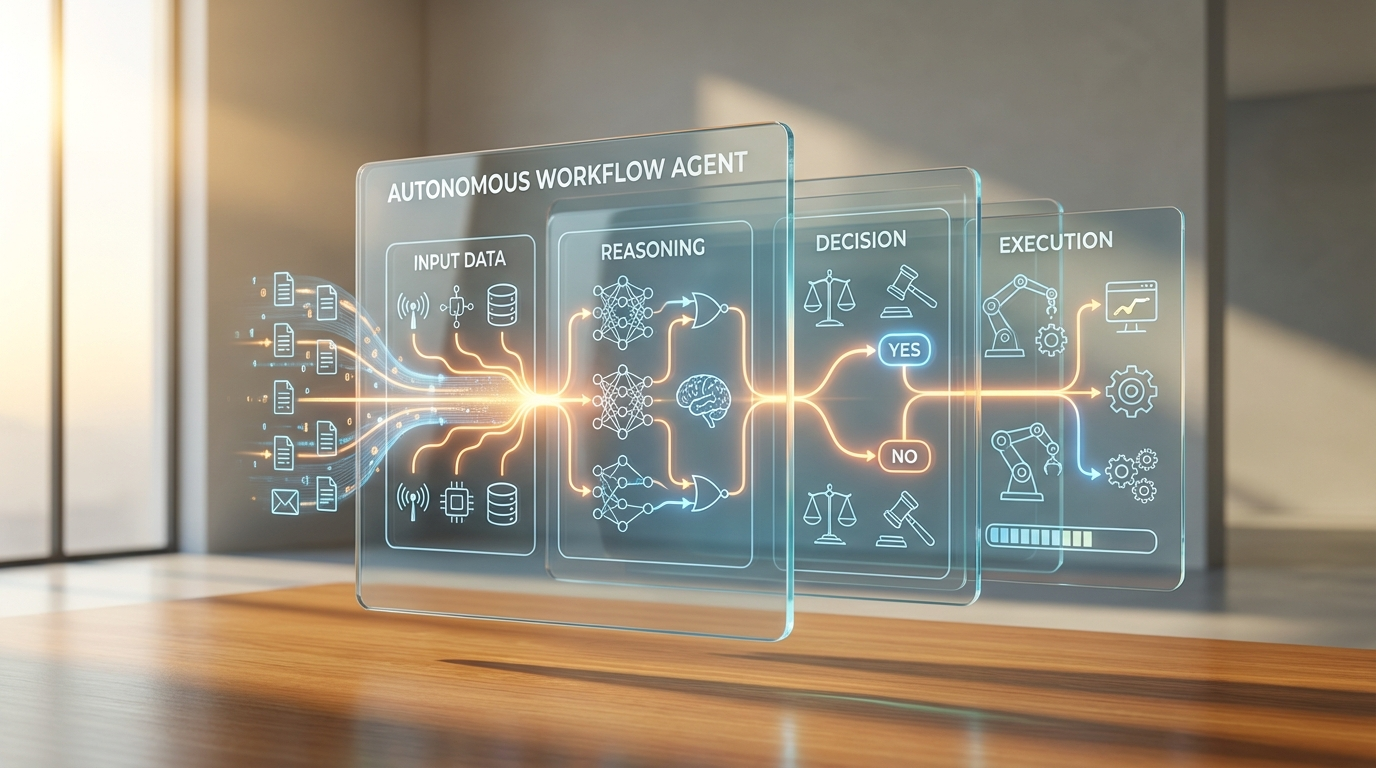
According to AWS's technical documentation on agentic AI, modern agents operate through a structured pathway encompassing four stages: perceive, reason, act, and learn. This framework enables agents to collect real-time data from diverse sources, develop action plans using sophisticated reasoning, execute tasks autonomously, and continuously improve through reinforcement learning.
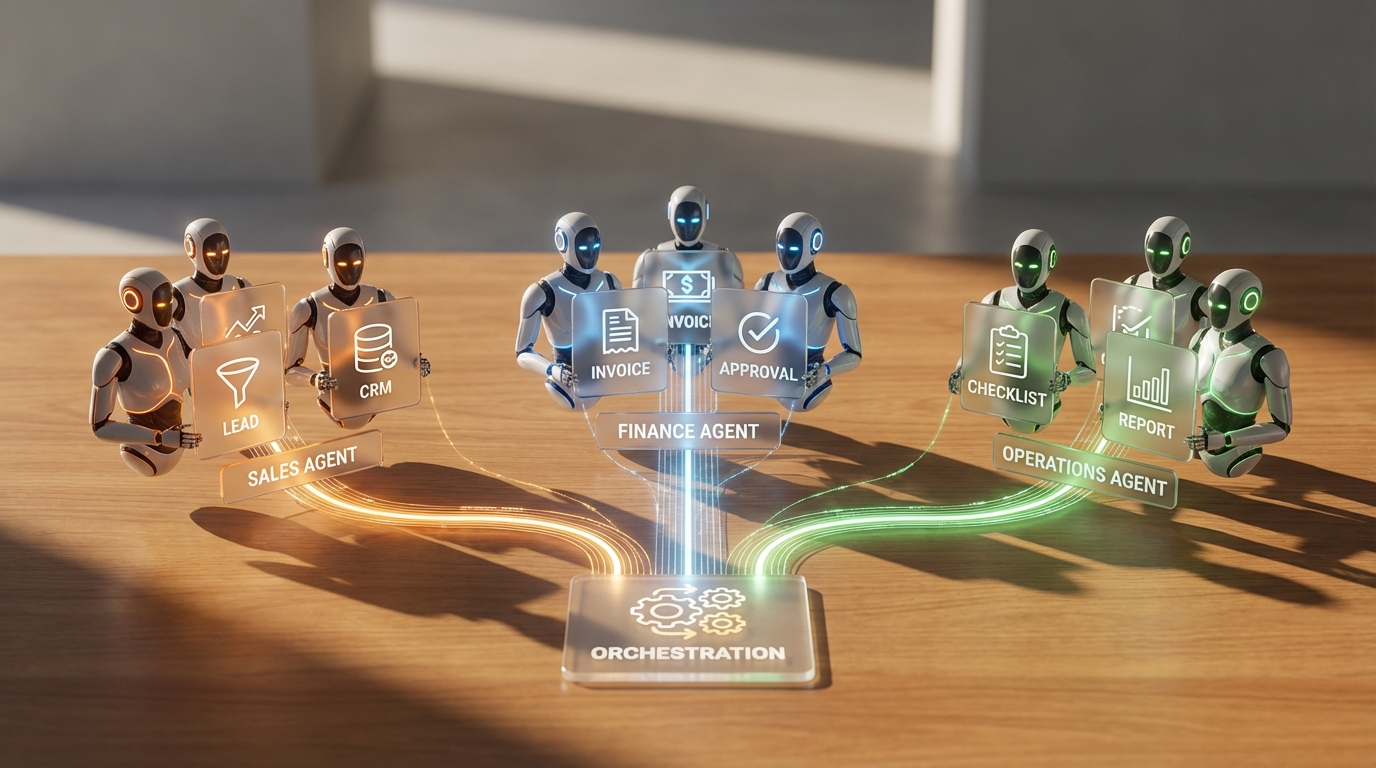
The key breakthrough in 2026 is orchestration. As IBM explains, AI orchestration coordinates and manages systems and agents, automating workflows, tracking progress, managing resources, and handling failure events. With the right architecture, dozens or even hundreds of agents can theoretically work together in harmonious productivity—a capability that's moving from theoretical to practical this year.
Enterprise Integration Has Simplified
Perhaps the most significant development enabling 2026's agentic AI boom is seamless integration with existing business tools. Platforms like DIMA-AI now offer pre-built integrations with over 50 business applications, including Salesforce, Slack, Google Workspace, and other enterprise staples. This eliminates the traditional friction of AI deployment: instead of rebuilding workflows around new technology, businesses deploy agents that work within their existing operational infrastructure.
"The game-changer isn't the AI itself—it's making AI visible and controllable. When business users can watch agents execute in real-time on a kanban board and instantly spot where workflows break, adoption accelerates exponentially."
How Multi-Agent Systems Are Reshaping Business Operations
The practical applications of agentic AI multi-agent systems extend across virtually every business function. Salesforce's research on AI agents highlights that these intelligent systems handle everything from answering simple questions to resolving complex issues—even multi-tasking—while continuously improving through self-learning.
Operations and Process Automation
Operations teams are deploying multi-agent systems to automate complex, multi-step processes that previously required human coordination:
-
SOP testing and training: Agents retrieve standard operating procedures, synthesize them into steps and questions, generate quizzes, and distribute training materials automatically
-
Incident response checklists: When issues arise, agents coordinate response protocols across teams
-
Vendor onboarding: Multi-agent workflows handle documentation collection, verification, and system provisioning
-
Weekly reporting: Agents compile data from multiple sources, generate insights, and distribute formatted reports
Sales and Revenue Operations
Sales organizations leverage multi-agent systems to eliminate manual prospecting tasks and accelerate deal velocity:
-
Lead enrichment: Agents automatically research prospects, aggregate company data, and score leads based on buying signals
-
Follow-up sequences: Intelligent agents manage personalized outreach timing and content
-
Meeting-to-CRM workflows: Conversation intelligence agents capture meeting notes and update CRM records automatically
-
Quote and proposal generation: Agents pull pricing data, customize templates, and route approvals
Finance and Compliance
Financial operations benefit from agents' ability to maintain consistency and audit trails:
-
Invoice approval workflows: Agents route invoices, match purchase orders, flag exceptions, and process payments
-
Expense policy enforcement: Real-time monitoring agents ensure compliance with spending guidelines
-
Close checklists: Month-end and quarter-end processes execute through coordinated agent workflows


The Visual Revolution: Why Kanban-Based Agent Builders Are Winning
A defining trend in 2026's agentic AI landscape is the shift toward visual workflow builders. Traditional AI implementation required data scientists, machine learning engineers, and months of development time. Today's platforms flip this model entirely.
No-Code Agent Configuration
DIMA-AI's approach exemplifies this shift: users build workflows by adding agent cards to a kanban board, describing tasks in plain language without coding or complex configuration. Each agent has a "personnel file" where users specify behavior using natural instructions—setting goals, skills, and operational protocols through conversation rather than code.
This democratization addresses the critical talent gap that previously constrained AI adoption. According to MarketsAndMarkets' AI industry analysis, integration challenges and lack of understanding of state-of-the-art systems remain significant barriers to AI adoption. Visual builders eliminate these barriers by making agent behavior observable and adjustable by business users.
Real-Time Visibility and Debugging
Perhaps more importantly, visual platforms provide unprecedented transparency into agent operations. Users watch agents work as cards move across kanban columns in real-time. When workflows break, the failure point is immediately visible—no digging through logs or technical error messages required.
"Every agent logs its reasoning, actions, and decisions. Complete transparency by design means organizations can review full execution history, monitor progress in real-time, and understand exactly how their digital workers operate."
This observability addresses one of the key challenges identified in enterprise AI adoption: lack of transparency and explainability in AI decision-making processes.
Challenges and Considerations for 2026 Adoption
While momentum behind agentic AI multi-agent systems is undeniable, organizations should approach adoption with clear-eyed awareness of remaining challenges.
Governance and Compliance
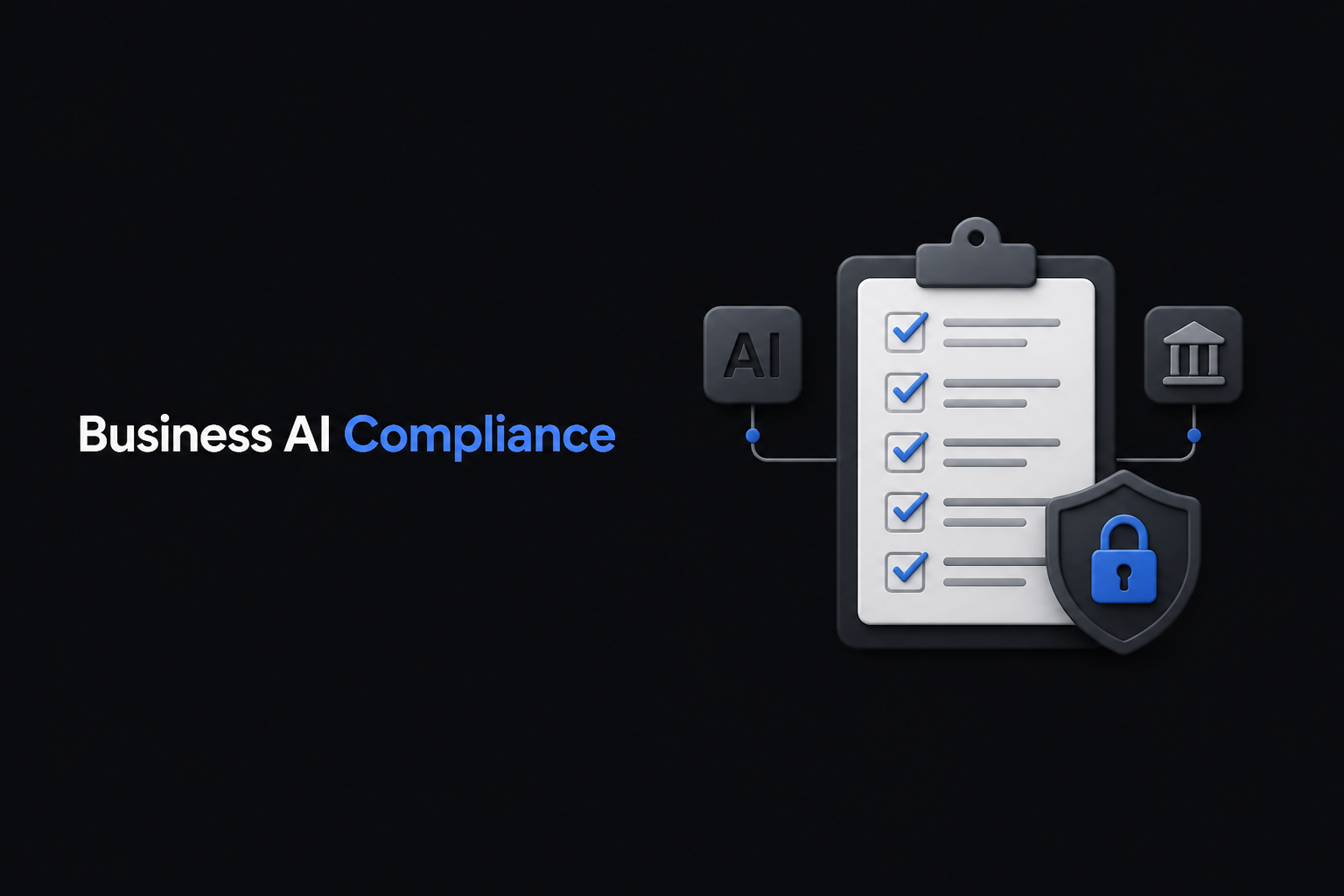
Multi-agent systems that operate autonomously raise important questions about accountability and audit trails. Salesforce notes that for some agentic AI models, actions are gated by human-in-the-loop systems where developers must verify and approve agent actions. Organizations must design appropriate guardrails based on risk tolerance and regulatory requirements.
Integration Complexity
Despite simplification progress, connecting agents to legacy systems can still present challenges. Organizations should prioritize platforms offering pre-built integrations with their existing tool stack. The most successful deployments start with well-defined use cases rather than attempting broad automation immediately.
Change Management
Technical capabilities mean little without organizational readiness. Teams accustomed to manual processes need training and support to work effectively alongside digital workers. The most successful organizations treat agentic AI as a workforce transformation initiative, not merely a technology deployment.

What's Next: The Multi-Agent Future Beyond 2026
Looking ahead, several trends will shape the continued evolution of agentic AI multi-agent systems:
-
Deeper reasoning capabilities: Agents will handle increasingly complex, ambiguous tasks requiring multi-step planning and adaptation
-
Cross-organizational agent coordination: Multi-agent systems will begin coordinating across company boundaries, enabling automated B2B workflows
-
Industry-specific agent marketplaces: Pre-built agents optimized for vertical use cases will accelerate deployment in healthcare, financial services, manufacturing, and other sectors
-
Enhanced learning from human feedback: Agents will become more sophisticated at incorporating human corrections and preferences into their operational patterns
The organizations gaining competitive advantage in 2026 aren't waiting for perfect technology—they're deploying multi-agent systems now, learning from real-world operation, and building internal expertise that compounds over time.

Frequently Asked Questions
What is an agentic AI multi-agent system? An agentic AI multi-agent system consists of multiple autonomous AI agents that coordinate to accomplish complex goals. According to IBM's research, each agent performs specific subtasks, with efforts coordinated through AI orchestration. Unlike traditional AI requiring constant human intervention, these systems exhibit autonomy, goal-driven behavior, and adaptability while operating independently.
How do multi-agent systems differ from chatbots?Salesforce's analysis explains that chatbots are designed for single specific tasks using rules and scripts, while AI agents are more advanced and independent. Multi-agent systems handle wider task ranges, learn from interactions, maintain context across conversations, and integrate with multiple platforms—making them suitable for complex, dynamic business environments.
Do I need technical skills to deploy agentic AI workflows? No—modern platforms like DIMA-AI enable deployment through visual, no-code interfaces. Users build workflows on kanban boards using plain language descriptions. This eliminates the need for coding knowledge, allowing business users to configure, deploy, and monitor autonomous agents directly.
How can I see what my AI agents are doing? Leading platforms provide real-time visibility through visual dashboards. Agents move through workflow stages like tasks on a project board, with full logging of reasoning, actions, and decisions. This transparency enables instant identification of workflow issues and provides complete audit trails for compliance requirements.
What business functions benefit most from multi-agent systems? Operations, sales, finance, and customer support see the strongest initial returns. Common use cases include automated reporting, lead enrichment, invoice processing, vendor onboarding, and incident response. The highest-value deployments target repetitive, multi-step processes currently requiring human coordination across systems.
Build Your Autonomous Workforce Today
The agentic AI revolution isn't coming—it's here. Organizations deploying multi-agent systems in 2026 are gaining decisive advantages in operational efficiency, response speed, and scalability.
DIMA-AI offers the industry's most intuitive approach to agentic automation: visual workflow building on a kanban board, real-time execution monitoring, and complete transparency into agent behavior. With pre-built integrations for over 50 business tools and a marketplace of specialized agents ready to deploy, there's never been a faster path from concept to production-scale automation.
 DIMA
DIMA

 DIMA Team