


The Shift from "Using Tools" to "Building Systems"
If you're still searching for the "best AI tools for business," you're asking the wrong question for 2026.
The early adopters of 2023-2025 focused on individual productivity—using ChatGPT for emails or Midjourney for images. But the winners in today's market have shifted their focus. They aren't just "using" AI; they are building Business AI Systems.
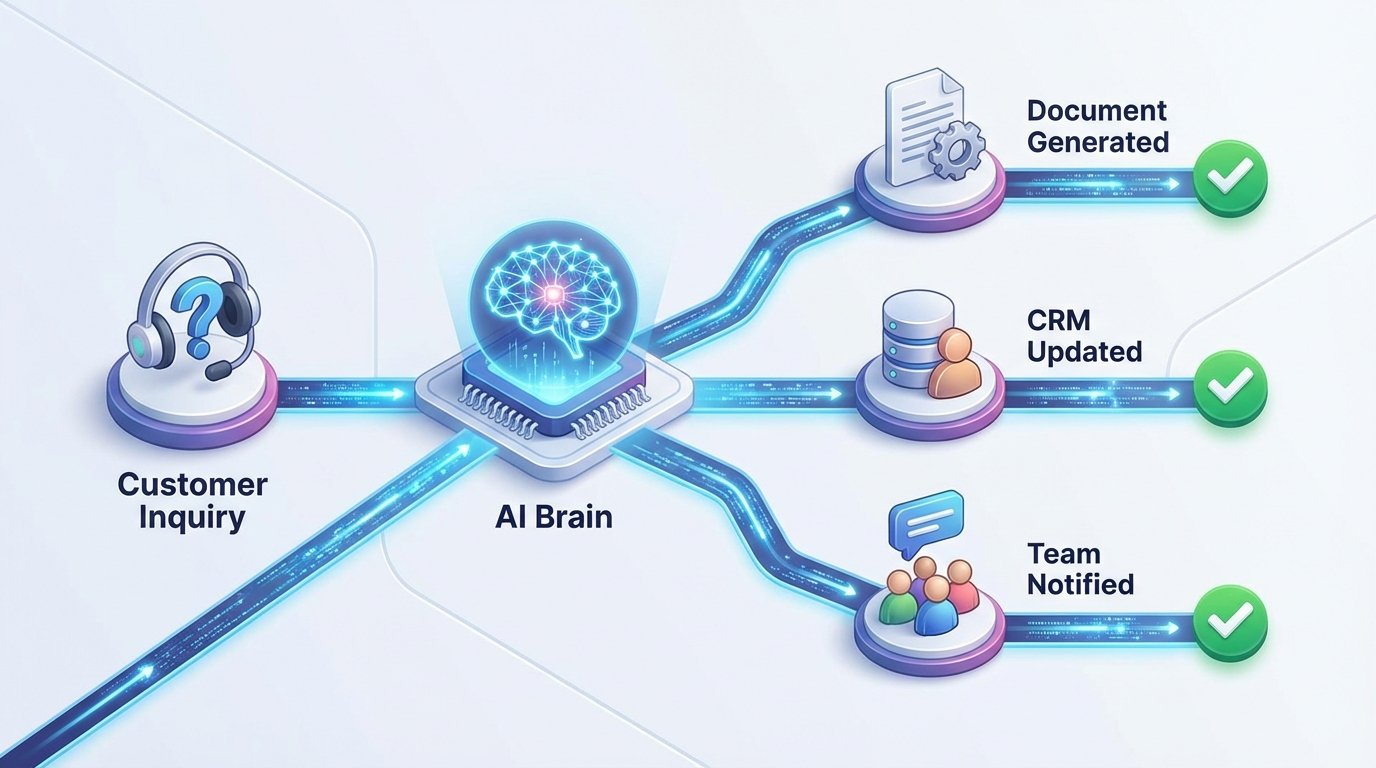
A Business AI System is a cohesive infrastructure where AI doesn't just assist humans; it executes entire workflows end-to-end. It's the difference between having a better calculator and having an autonomous accounting department.
Why AI Adoption Fails (And How to Do It Right)
Most AI adoption efforts fail because they are "tool-first" rather than "system-first." When you add a new tool without a system, you just add another tab to your browser and another line to your monthly expenses.
The "Digital Workforce" Mental Model:
Instead of thinking of AI as software, think of it as a Digital Worker. When you hire a human, you don't just give them a laptop and say "do AI." You give them a role, a set of responsibilities, and a place in your workflow. Your AI strategy should be exactly the same.

The 3 Pillars of a 2026 Business AI System
To drive real traffic and ROI, your AI system must be anchored in three core areas of your business:
1. The Autonomous Marketing Engine
In 2026, marketing isn't about writing one blog post; it's about lifecycle orchestration.
The AI Tool: A system that monitors your site traffic, identifies high-intent visitors, and automatically triggers personalized video messages or tailored email sequences.
The Human Insight: AI handles the "heavy lifting" of data analysis and content generation, while humans focus on the unique brand voice and strategic positioning.
2. Operational Intelligence (The "Ops" Agent)
Operations is where AI adoption shows the most immediate ROI. A proper business AI system handles:
SOP Execution: Testing your standard operating procedures against real-world data to find bottlenecks.
Vendor Onboarding: Automatically verifying documents, setting up accounts, and triggering initial payments.
3. Financial Flow Automation
Stop chasing invoices. Your financial AI agent should:
Predict Cash Flow: Use historical data to warn you about a dip three months before it happens.
PO Matching: Instantly reconcile purchase orders with invoices across multiple currencies and tax jurisdictions.
How to Hire Your First Digital Worker
You don't need a coding degree to build this. In 2026, we use Visual Workflow Automation.
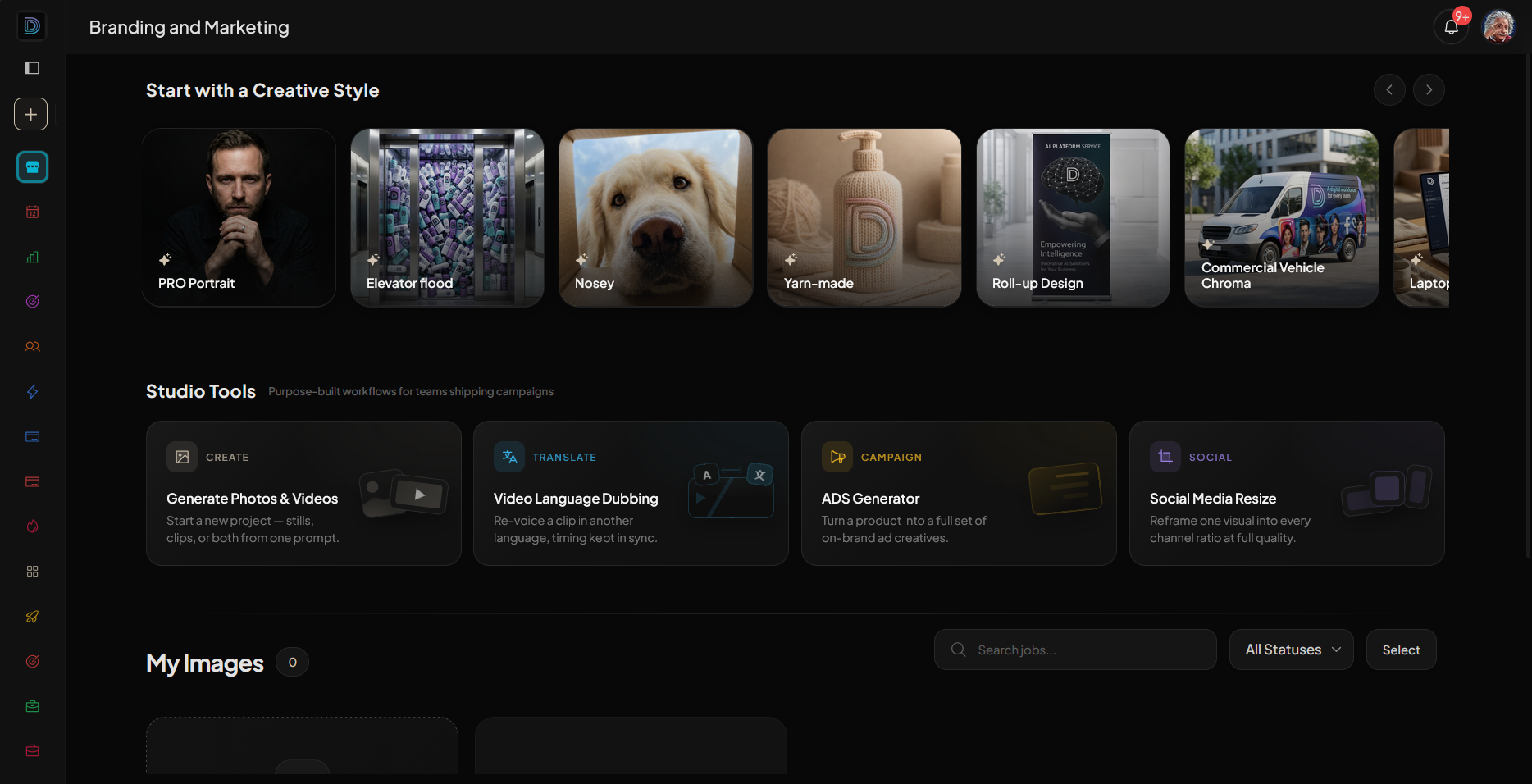
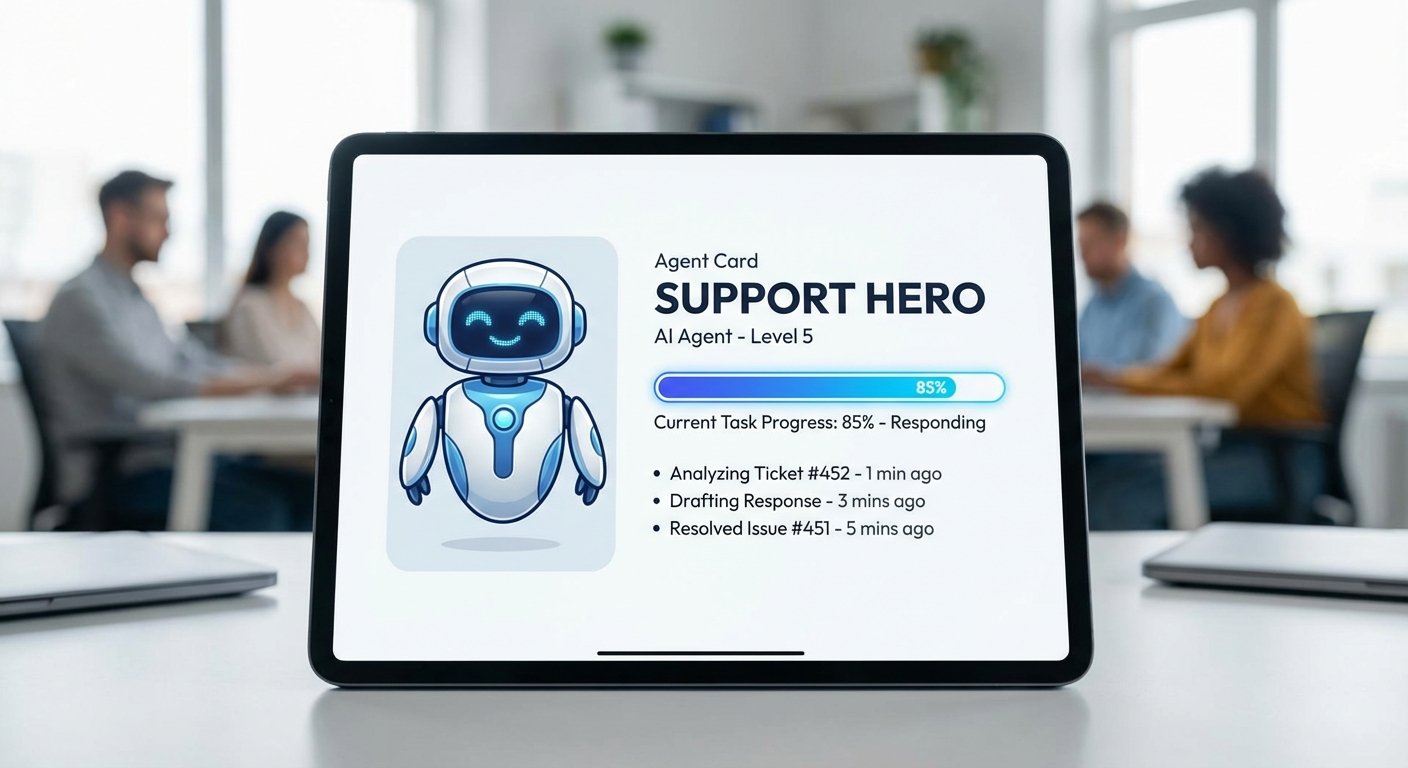
Imagine a kanban board. Instead of human names on the cards, you have Agent Cards.
You describe the task in plain language: "Review all incoming support tickets, tag them by urgency, and draft a response for the high-priority ones using our knowledge base."
Key Question for Business Owners: If you could clone your best operations person for $50/month, what would you have them do first? That is where your AI adoption starts.
The "AI Search Ready" Strategy: How to Get Found in 2026
Search has changed. People aren't just googling keywords; they are asking AI: "What is the best AI system for a 20-person marketing agency?"
To ensure your business is the answer, you need:
- Context-Rich Content: Don't just list features. Explain the logic of your system.
- Structured Knowledge: AI models love data they can parse. Use clear headers, lists, and direct answers to common questions.
- Human Proof: AI Search prioritize content that includes real human experiences, case studies, and unique insights that a LLM couldn't "hallucinate."
Conclusion: Your 90-Day Competitive Edge
The gap between AI-first businesses and traditional businesses is widening every day. By shifting from a "tools" mindset to a "systems" mindset, you aren't just saving time—you're building a scalable, digital workforce that works 24/7 without fatigue.
The choice is simple:
- Will you keep managing a mess of tools, or will you start leading a digital workforce?
 DIMA
DIMA