

How to Build a Business AI System That Controls Free AI Usage Safely
Adopting AI tools in business can boost productivity but also introduces risks if free AI tools are used without control. Many companies struggle to balance easy access to free AI with protecting sensitive data and maintaining workflow integrity. This article explains how to build a business AI system that governs free AI usage safely, enabling productive AI work while controlling risks and supporting smooth AI adoption.
Key Takeaways
- Defining a clear AI usage policy is essential to control free AI usage safely.
- Centralizing AI tools in one business system simplifies oversight and reduces risk.
- Workflow automation with AI agents helps enforce security and compliance.
- Employee training on AI risks and controls improves adoption success.
- Leveraging platforms like DIMA can streamline AI work with built-in controls.
- Unauthorized sharing of confidential information.
- Unapproved AI-generated content affecting brand voice.
- Fragmented AI tools causing siloed data and inefficiency.
- Lack of audit trails complicating compliance.
- Approved AI tools and models (including free AI options).
- Types of data allowed in AI workflows.
- Roles responsible for review and approval of AI outputs.
- Procedures for reporting and handling AI-related incidents.
- Automated content scanning for sensitive data.
- Enforced approval workflows before publishing AI outputs.
- Real-time monitoring of AI usage patterns to detect anomalies.
- Seamless handoff between AI agents and human reviewers.
- Understanding AI risks and why controls matter.
- How to use AI tools within the approved workspace.
- Reporting procedures for potential misuse or errors.
- Best practices for combining human and AI efforts.
- Detect new risks as AI tools evolve.
- Optimize workflows and approval processes.
- Adjust training and policies based on gaps.
- Establish a clear AI usage policy to guide safe AI adoption.
- Centralize AI workflows in a unified business system like DIMA.
- Use Claude AI automation to enforce control and compliance.
- Train your workforce to use AI responsibly and effectively.
- Continuously monitor and refine your AI adoption strategy.
Understand the Risks of Free AI Tools at Work
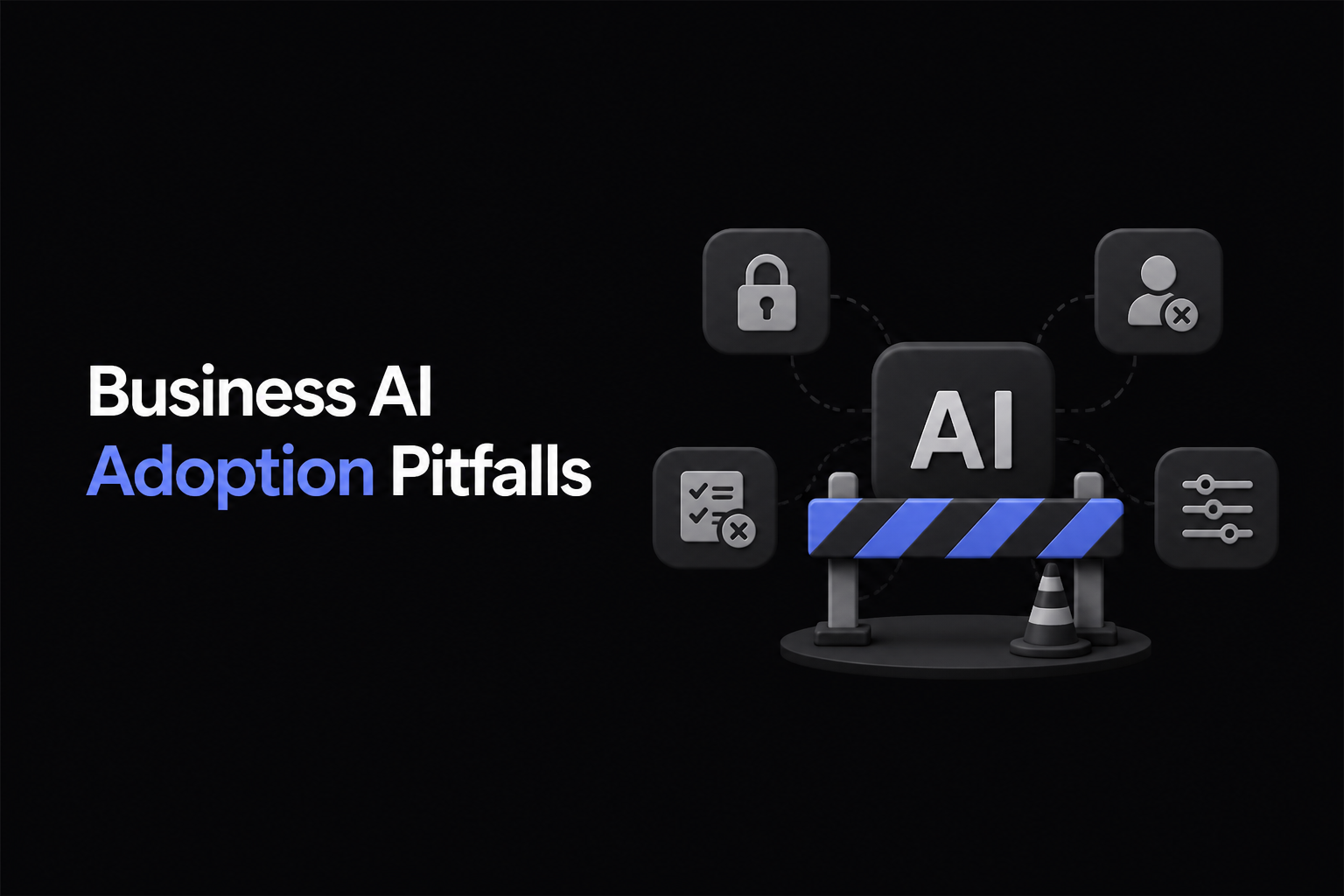
Free AI tools offer accessibility but often lack enterprise-grade security, control, and compliance features. Unrestricted use can lead to data leaks, inconsistent outputs, or workflow disruptions. Your business AI system must identify these risks upfront to create appropriate controls.
Common risks include:
Recognizing these challenges sets the stage for building a controlled environment.
Define an AI Usage Policy Tailored to Your Business System
Start by crafting a clear AI usage policy that outlines:
This policy acts as a foundation for controlled AI work and ensures everyone understands the boundaries around AI adoption.
Centralize AI Workflows with a Unified Business AI Platform
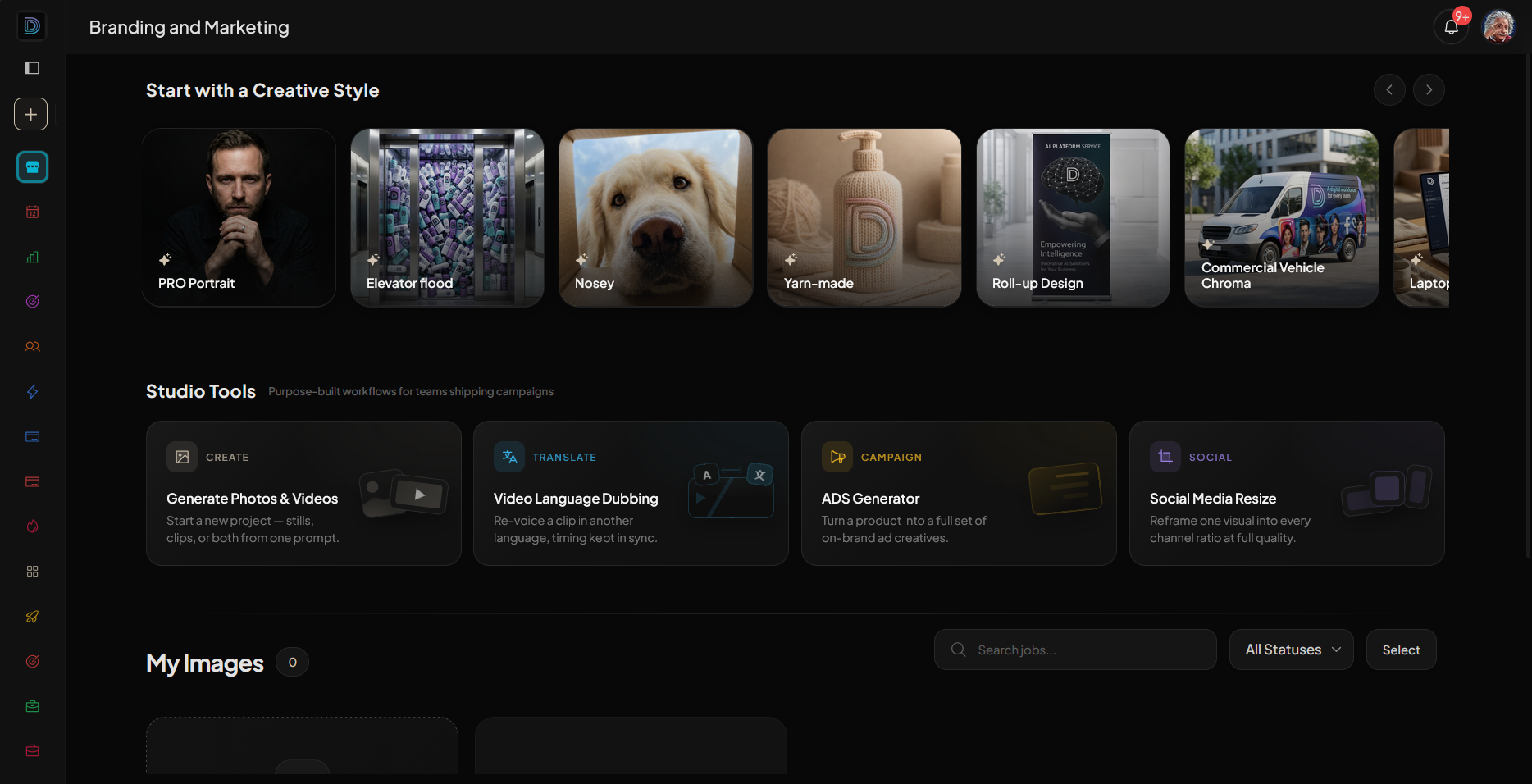
Managing multiple free AI tools across teams often leads to tool sprawl and loss of control. Instead, use a unified AI workspace like DIMA to centralize AI workflows.
Benefits include:
| Aspect | Benefit of Centralized AI Workspace |
|---|---|
| Security | Controlled access and data governance |
| Workflow Consistency | Standardized AI-generated content and outputs |
| Collaboration | Shared assets and approvals improve efficiency |
| Auditability | Logs and reports support compliance |
Centralization enables scalable, safe AI adoption while maintaining operational control.
Automate Control and Compliance with Claude AI Automation
Integrating AI automation tools like Claude AI automation within your business system enables:
These automations reduce manual oversight burden while enhancing safety and quality.
Train Your Team to Embrace Controlled AI Work
Even the best business AI system fails without user buy-in. Provide training focusing on:
Empowered employees adopt AI faster and help maintain control.
Monitor, Measure, and Iterate Your AI Adoption Strategy
Establish KPIs to track AI work efficiency, compliance adherence, and user satisfaction. Regularly review usage data and feedback to:
Continuous improvement ensures your business AI system remains effective and secure.
FAQ
How can free AI tools be risky in business workflows?
Free AI tools may not have strict data privacy controls, leading to accidental exposure of confidential information or inconsistent output quality without proper oversight.
What makes a business AI system different from just using AI tools?
A business AI system integrates AI tools with policies, workflows, automation, and controls to ensure safe, consistent, and efficient AI work aligned with organizational goals.
Can Claude AI automation help with controlling free AI usage?
Yes, Claude AI automation can enforce rules, approval steps, and monitoring within AI workflows, providing governance even when free AI models are part of the process.
Why is employee training critical for AI adoption?
Training builds awareness of AI risks and proper usage, fostering responsible AI work and smoother adoption across teams.
How does DIMA support building a controlled business AI system?
DIMA offers an all-in-one AI workspace that centralizes AI tools, media studio capabilities, and automation features like Claude AI, enabling secure, scalable AI workflows.
Conclusion
Control free AI usage while unlocking its productivity benefits with a well-designed business AI system. Start your journey today with DIMA to safely scale AI work and automate your marketing and content workflows efficiently.
Explore DIMA AI workspace and request a demo to see how you can control AI at work while empowering your teams.
 DIMA
DIMA