
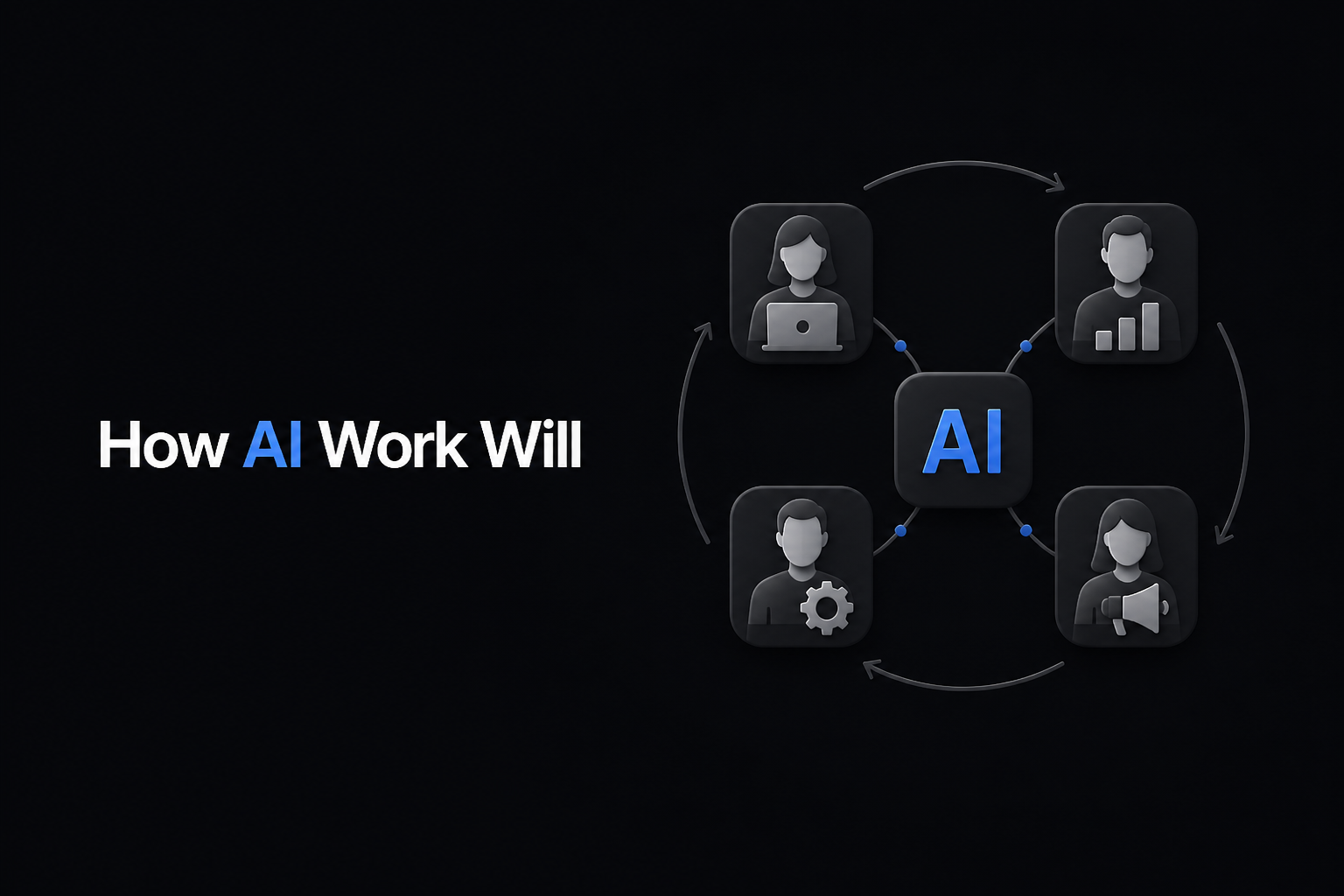
How AI Work Will Transform Employee Roles and Collaboration by 2026
As the future of AI rapidly approaches, marketing teams face a fundamental shift in how work is done. AI work is not just about automation but reimagining employee roles and collaboration methods. This article explains what marketers and business leaders can expect by 2026, how AI employees will integrate with human teams, and what new work tools will enable this transformation.
Key Takeaways
- AI work will redefine traditional employee roles, focusing on strategic and creative tasks.
- Collaboration between AI employees and humans will require new workflows and communication styles.
- 2026 work tools will integrate AI deeply into daily marketing operations, enhancing productivity.
- Preparing for AI future means investing in training, hybrid team structures, and adaptable platforms.
- Companies that embrace AI work integration early will gain significant competitive advantages.
- Shift employee focus to creative and strategic tasks
- Adopt unified AI work tools that enable human-AI collaboration
- Train teams on AI literacy and hybrid workflows
- Redesign roles and processes for AI integration
AI Work Will Shift Employee Roles to Higher-Value Tasks
By 2026, AI employees will handle routine, repetitive, and data-intensive tasks, freeing human employees to focus on strategic decision-making, creativity, and relationship building. Studies such as McKinsey’s 2023 report highlight that up to 30% of current work activities could be automated, shifting employee responsibilities rather than replacing jobs outright.
In marketing teams, this means AI can generate initial creative concepts, analyze consumer data, or optimize campaign delivery, while humans refine messaging, develop brand strategy, and manage client relationships. This hybrid approach increases efficiency and innovation.
Collaboration Between AI Employees and Humans Will Evolve
Effective AI work requires new collaboration models where AI employees act as digital partners rather than tools. This changes workflows and communication dynamics. For example, AI-generated content drafts need human review and contextual adaptation before publishing.
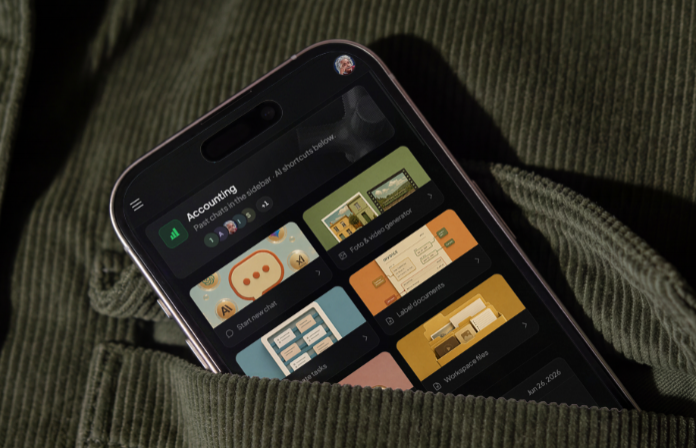
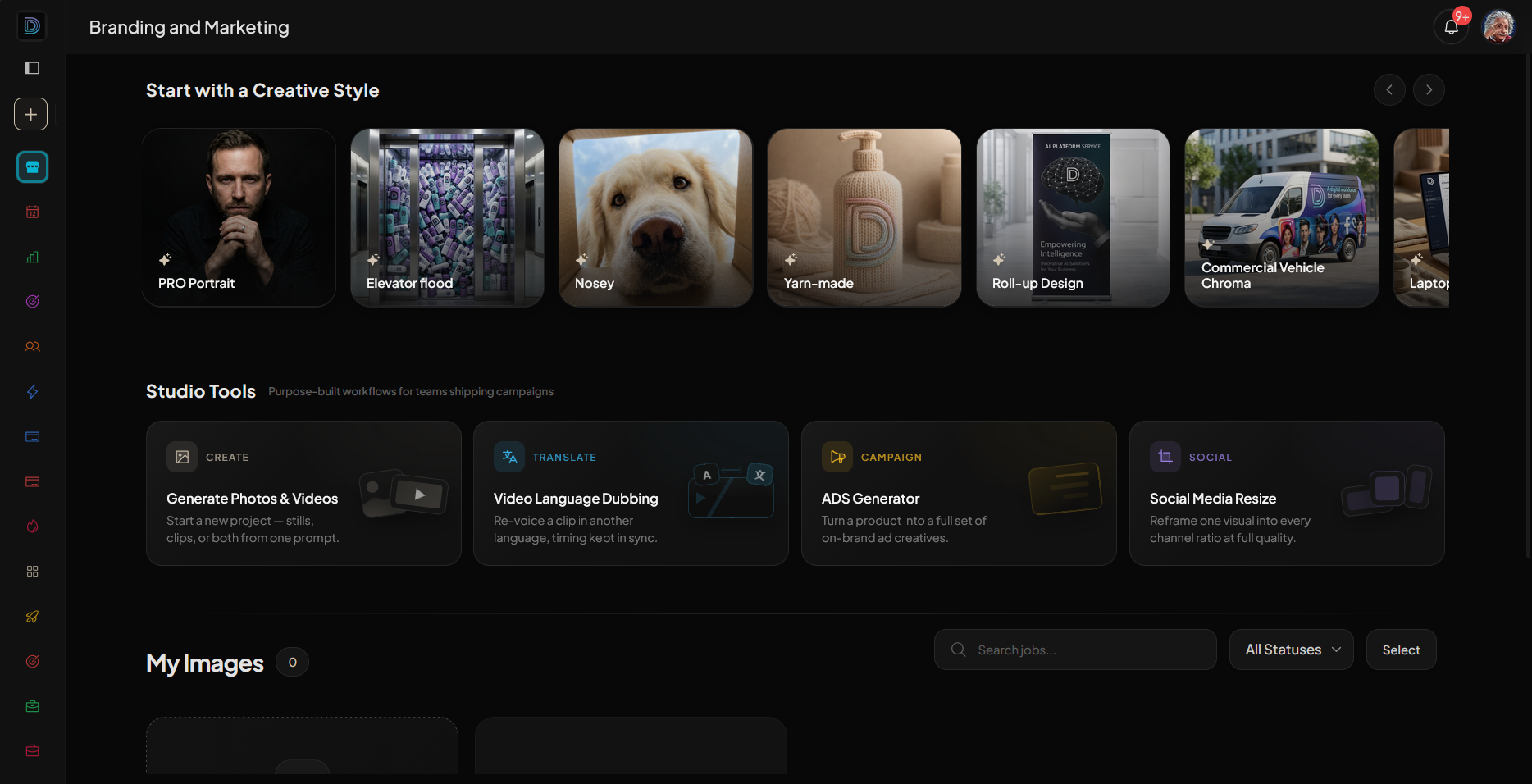
Tools like DIMA Media Studio exemplify this integration by enabling teams to collaborate with AI assistants and agents within a unified workspace, ensuring human oversight and seamless handoffs.
2026 Work Tools Will Embed AI Throughout Marketing Operations
The next generation of work tools—2026 work tools—will embed AI capabilities directly into marketing platforms. These tools will automate content creation, localization, A/B testing, and performance reporting in real time.
Using AI work platforms like DIMA allows marketing teams to reduce tool sprawl and streamline workflows. This integration accelerates campaign cycles and improves accuracy while preserving creative control.
Preparing for the AI Future Requires Strategic Adaptation
To succeed with AI work, organizations must invest in training employees to work alongside AI employees, fostering hybrid skills that combine human creativity with AI efficiency. Changing team structures to include AI workflow managers and AI ethics officers will also be critical.
Adopting platforms that provide transparency and control over AI workflows helps maintain quality and compliance, addressing concerns around trust and accountability.
Companies Embracing AI Work Early Will Lead Market Innovation
Early adopters of AI work and 2026 work tools will set new industry standards in speed, personalization, and ROI. These companies will benefit from scalable AI employees that augment human teams, enabling faster campaign launches and adaptive marketing strategies.
| Benefit | Description |
|---|---|
| Increased Efficiency | Automate routine tasks, freeing human creativity |
| Enhanced Collaboration | AI-human workflows improve decision-making and output quality |
| Competitive Edge | Faster time-to-market and personalized campaigns |
FAQ
What are AI employees?
AI employees are AI-driven agents and assistants integrated within work environments to perform tasks traditionally done by humans, such as data analysis, content creation, or customer engagement.
How will AI work change marketing team collaboration?
AI work will require new workflows where human employees collaborate closely with AI tools, reviewing and enhancing AI outputs, leading to hybrid teamwork models.
What skills will employees need in the AI future?
Employees will need to develop hybrid skills, including AI literacy, strategic thinking, creativity, and the ability to manage AI workflows effectively.
How can marketing teams prepare for 2026 work tools?
Teams should invest in AI training, adopt unified AI workspaces like DIMA, and restructure roles to integrate AI employees seamlessly.
Will AI replace human marketers by 2026?
AI will automate many routine tasks but augment rather than replace human marketers, shifting focus to higher-value work.
Conclusion
The future of AI work by 2026 will reshape employee roles and collaboration, making AI employees strategic partners in marketing teams. To prepare:
Start shaping your AI future today with DIMA AI workspace and experience how AI employees can empower your marketing team for 2026 and beyond.
Explore DIMA Media Studio to streamline AI work and collaboration. Learn about AI work automation to unlock your team’s potential. Sign up for a demo and see AI employees in action.
 DIMA
DIMA