

Business AI Control: How to Balance Free AI Access With Secure Workflows
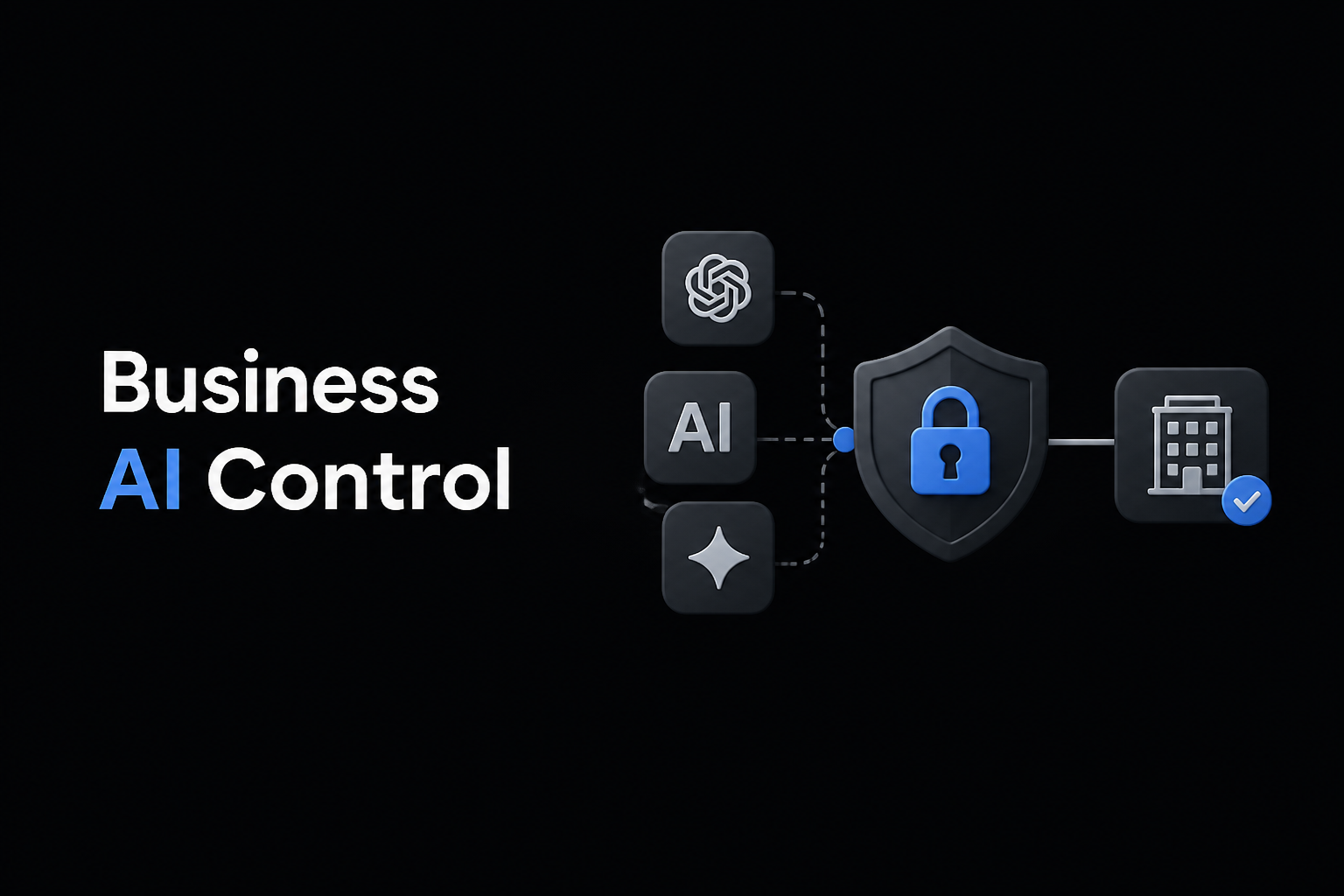
Many businesses today face a crucial challenge: embracing the benefits of free AI tools while maintaining secure, controlled AI workflows. While free AI unlocks innovation and cost savings, unrestricted use can lead to data leaks, workflow inefficiencies, and loss of oversight. This guide outlines how B2B marketing teams and business systems can balance open AI adoption with practical control measures to optimize AI work and protect company assets.
Key Takeaways
- Free AI tools boost accessibility but require governance to protect business data.
- Establishing clear AI work policies helps prevent misuse and workflow chaos.
- Integrating AI tools into a unified business system ensures seamless control.
- Claude AI automation and similar platforms enable secure, scalable AI workflows.
- Ongoing training and compliance checks strengthen responsible AI adoption.
- Automate repetitive marketing tasks while enforcing data governance.
- Route AI-generated content through approval workflows before publishing.
- Connect with other business systems for unified data handling.
- Recognizing sensitive data and avoiding unsafe AI inputs.
- Understanding the business system’s AI workflow policies.
- Reporting unusual AI outputs or suspected misuse.
- Embracing AI as an assistant, not a replacement.
- Volume and type of AI usage.
- Compliance with data and workflow policies.
- Quality and impact of AI-generated outputs.
- Recognize risks in uncontrolled AI work.
- Centralize AI tools in a unified business system.
- Leverage Claude AI automation for secure workflows.
- Train teams for responsible AI use.
- Monitor adoption and adjust continuously.
Why Free AI Access Can Be Risky Without Control
Free AI tools often invite experimentation across teams, but lack of control can cause serious issues. When employees use multiple free AI platforms without oversight, sensitive information may be input without encryption or compliance safeguards. This exposure risks intellectual property leaks and regulatory violations. Additionally, without clear policies, AI-generated outputs can be inconsistent, leading to quality and brand voice problems in marketing and content workflows.
Understanding these risks highlights the need for a business system that governs AI work, ensuring security and consistency while still benefiting from free AI innovations.
How to Create Secure AI Workflows in Your Business System
Secure AI workflows start with integrating AI tools within a controlled business system. Here’s how:
| Step | Action | Benefit |
|---|---|---|
| 1 | Centralize AI tool access in a platform like DIMA AI workspace | Reduces tool sprawl and data silos |
| 2 | Define data input and output policies | Protects sensitive info and ensures compliance |
| 3 | Implement human review steps for AI-generated content | Maintains quality and brand consistency |
| 4 | Use AI automation features like Claude AI automation | Streamlines workflows with built-in security |
| 5 | Monitor and audit AI usage regularly | Detects misuse and improves processes |
This framework balances the agility of free AI with the safeguards needed for business reliability.
Leveraging Claude AI Automation for Controlled AI Work
Claude AI automation stands out as a tool designed for secure, scalable AI workflows. It integrates conversational AI with workflow automation, enabling teams to:
By embedding Claude AI automation into your work AI ecosystem, you gain both the innovation of AI tools and the control your business system demands.
Training Teams to Navigate Free AI Responsibly
Control is not just technical but cultural. Training teams to understand the limits and best practices around free AI use is critical. Training topics should include:
Regular refreshers and open communication channels support responsible AI adoption across the organization.
Monitoring and Scaling AI Adoption Without Losing Control
As AI tools become ingrained in daily work, monitoring adoption metrics and workflow performance ensures your AI strategy scales safely. Use built-in analytics from your business AI system to track:
Adjust policies and automation rules proactively to fix bottlenecks or risks before they grow.
FAQ
What are the biggest risks of using free AI tools at work?
Uncontrolled free AI use can expose sensitive data, create inconsistent outputs, and lead to compliance breaches. Lack of centralized oversight increases these risks.
How does Claude AI automation help secure AI workflows?
Claude AI automation integrates AI with workflow control, enabling approval processes, data governance, and seamless connection to business systems.
Can I use free AI tools safely in my marketing workflows?
Yes, by centralizing tool access, setting clear policies, training your team, and reviewing AI outputs before publishing, you can safely utilize free AI tools.
How do I start building a controlled AI business system?
Begin by auditing current AI usage, defining policies for data and output quality, selecting a unified AI workspace like DIMA, and training your teams.
Is ongoing monitoring necessary after AI adoption?
Absolutely. Continuous monitoring and audits are essential to maintain control, improve workflows, and mitigate emerging risks.
Conclusion
Balancing free AI access with secure workflows is essential for successful business AI adoption. To recap:
Start controlling your AI work today with DIMA AI’s all-in-one workspace and experience safer, smarter AI adoption. Sign up for a free trial or book a demo to see how business AI control protects and powers your team.
 DIMA
DIMA