


Marketing Agents Are Transforming Agency Operations: What You Need to Know in 2026
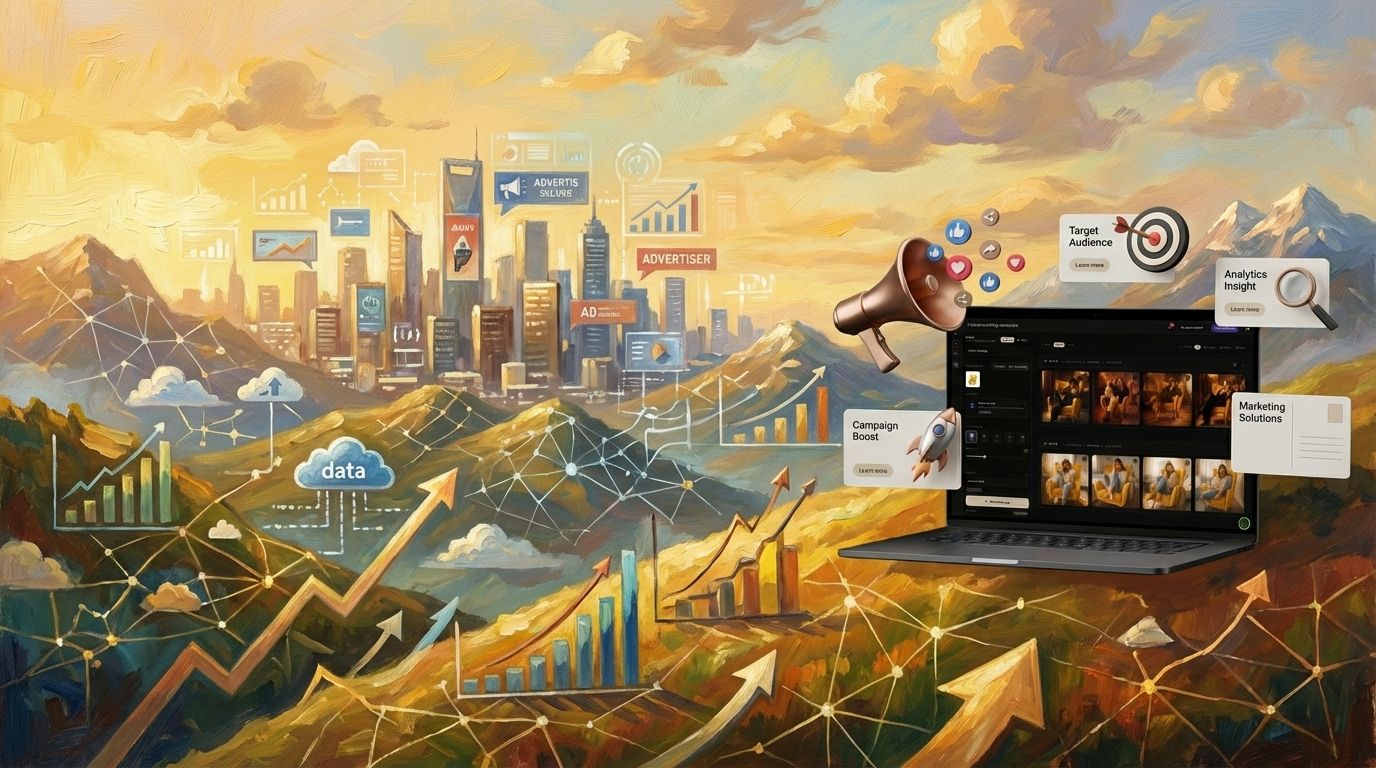
The marketing world is witnessing a seismic shift. Marketing agents—AI-powered autonomous systems capable of executing complex marketing tasks without constant human oversight—have moved from experimental technology to essential business infrastructure. For marketing agencies seeking competitive advantages, understanding this transformation isn't optional anymore; it's a matter of survival.
According to Gartner's 2024 Generative AI Planning Survey, over 67% of marketing leaders have already integrated some form of AI automation into their workflows, with agentic AI representing the fastest-growing segment. This isn't just another tech trend—it's fundamentally reshaping how agencies deliver value to clients.
Key Takeaways
-
Marketing agents reduce operational costs by up to 40%: According to McKinsey's research on AI agents, agencies implementing AI agents report significant reductions in time spent on repetitive tasks, freeing teams for strategic work.
-
The AI marketing agent market is exploding: Grand View Research projects the AI marketing solutions market will reach $107.5 billion by 2028, with autonomous agents driving much of this growth.
-
Early adopters are winning more clients: Agencies using marketing agents report 35% faster campaign deployment and improved client retention rates, according to HubSpot's State of Marketing report.
-
Human expertise remains essential: Despite automation capabilities, marketing agents work best as collaborative tools that amplify human creativity rather than replace it entirely.

What Are Marketing Agents and Why Do They Matter Now?
Marketing agents represent a new category of AI tools that go beyond simple automation. Unlike traditional marketing software that follows pre-programmed rules, marketing agents can analyze data, make decisions, and execute tasks autonomously—adapting to changing conditions in real-time.
The Evolution from Automation to Autonomy
Traditional marketing automation handled basic tasks: scheduling social posts, sending triggered emails, or generating simple reports. Marketing agents take this several steps further. They can:
-
Analyze campaign performance and automatically adjust budgets across channels
-
Generate and test creative variations based on audience response data
-
Identify trending topics and create timely content recommendations
-
Optimize ad targeting in real-time without human intervention
-
Manage multi-channel campaigns with coordinated messaging
"The shift from automation to agentic AI is comparable to the jump from calculators to spreadsheets. Both handle numbers, but one fundamentally transforms what's possible." — Salesforce AI Research
Why 2026 Is the Tipping Point
Several converging factors have made 2026 the year marketing agents reached mainstream adoption. Large language models have become more reliable and cost-effective. Integration APIs have matured, allowing agents to connect with existing marketing stacks seamlessly. Perhaps most importantly, agencies have developed the workflows and governance frameworks needed to deploy these tools responsibly.
Forbes Agency Council's January 2026 analysis recently highlighted that marketing agencies adopting AI agents are seeing client satisfaction scores increase by an average of 28%, primarily due to faster response times and more personalized campaign strategies.
How Marketing Agencies Are Using AI Agents Today
The practical applications of marketing agents have expanded dramatically. Forward-thinking agencies are deploying these tools across their entire service delivery model.
Campaign Management and Optimization
Marketing agents excel at the continuous optimization that modern digital campaigns require. Rather than waiting for weekly performance reviews, these systems monitor campaigns around the clock, making micro-adjustments that compound into significant improvements.
A mid-sized agency might deploy an agent that:
-
Monitors ad spend efficiency across Google, Meta, and LinkedIn
-
Automatically pauses underperforming ad sets
-
Reallocates budget to high-performing campaigns
-
Generates performance summaries for client reporting
Content Strategy and Creation
While human creativity remains irreplaceable for brand strategy and messaging, marketing agents handle much of the content production workload. They can draft initial versions of blog posts, create social media variations, and even suggest content calendars based on trending topics and seasonal patterns.
According to Content Marketing Institute research, agencies using AI-assisted content workflows produce 60% more content while maintaining quality standards—a critical advantage in an attention-scarce digital landscape.
Client Reporting and Analytics
Perhaps the most immediate ROI comes from automated reporting. Marketing agents can pull data from multiple platforms, synthesize insights, and generate client-ready reports in minutes rather than hours. This frees account managers to focus on strategy and relationship building.

Choosing the Right Marketing Agent Platform
For agencies evaluating AI solutions, the landscape can feel overwhelming. Dozens of vendors now offer marketing agent capabilities, each with different strengths and integration requirements.
Key Evaluation Criteria
When assessing marketing agent platforms, agencies should consider:
-
Integration depth: Does the platform connect with your existing tools (CRM, ad platforms, analytics)?
-
Customization options: Can you train the agent on your specific workflows and client needs?
-
Transparency and explainability: Can you understand why the agent made specific decisions?
-
Security and compliance: Does it meet data protection requirements for your clients' industries?
-
Scalability: Will the platform grow with your agency's needs?
The Case for Purpose-Built Solutions
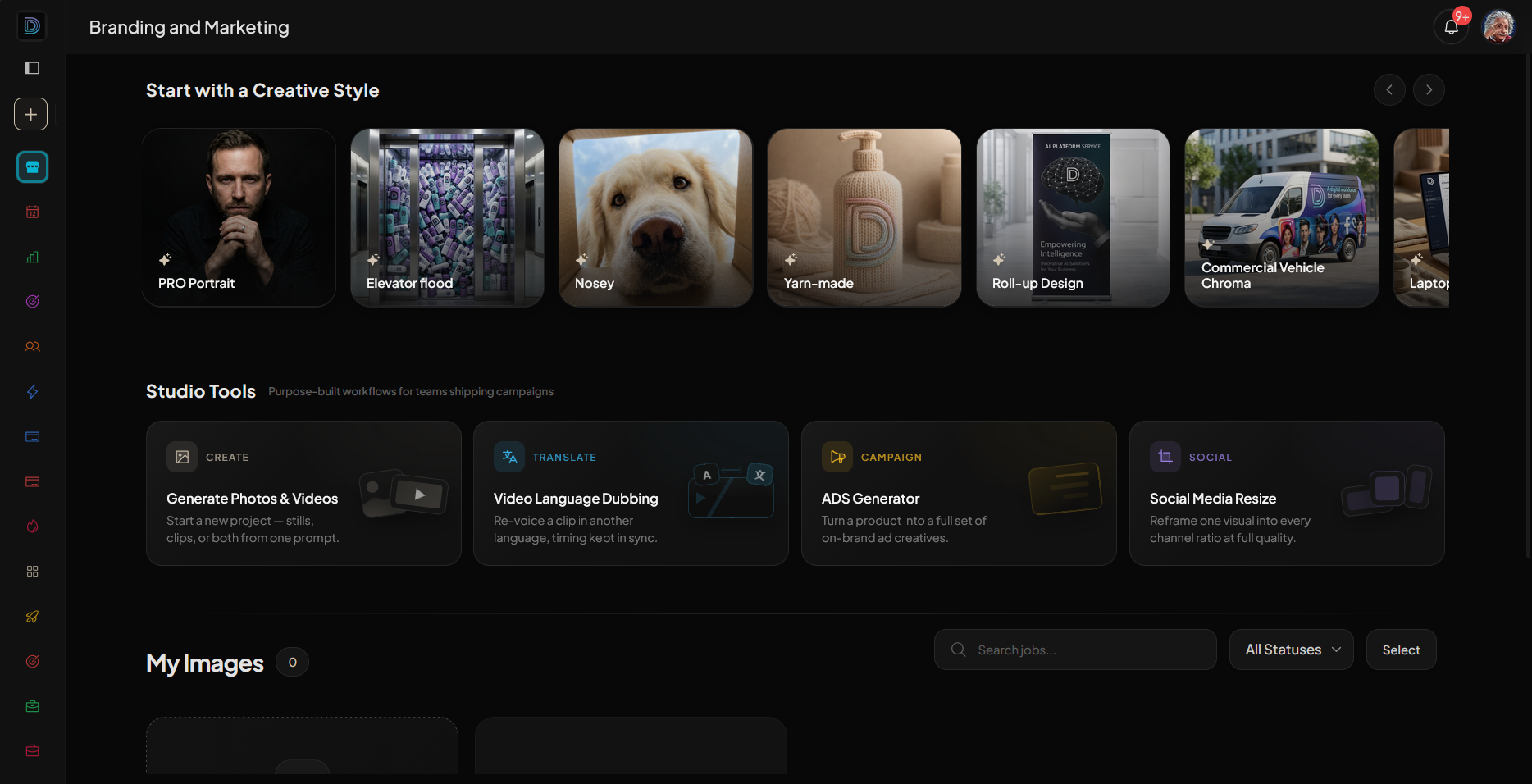
While general-purpose AI tools have their place, purpose-built marketing agent platforms like DIMA-AI offer distinct advantages for agencies. These specialized solutions understand marketing workflows, speak the language of campaigns and conversions, and integrate natively with the tools agencies already use.
Generic AI assistants require significant prompt engineering and supervision. Purpose-built marketing agents arrive ready to work, with pre-trained understanding of marketing contexts and built-in safeguards against common mistakes.
"The difference between a general AI tool and a purpose-built marketing agent is like the difference between a general contractor and a specialist. Both can do the work, but one understands your specific needs from day one." — Agency Operations Expert
Challenges and Considerations for Agency Adoption
Despite the compelling benefits, agencies face real challenges when implementing marketing agents. Understanding these obstacles helps organizations plan more effective adoption strategies.
Data Quality and Integration Issues
Marketing agents are only as good as the data they can access. Agencies with fragmented data ecosystems—where client information lives across disconnected spreadsheets, CRMs, and analytics platforms—will struggle to unlock the full potential of AI agents.
Before deploying marketing agents, successful agencies typically invest in:
-
Consolidating data sources into unified platforms
-
Establishing clear data governance policies
-
Creating standardized naming conventions and taxonomies
-
Building reliable data pipelines between systems
Team Adoption and Change Management
Technology implementation often fails not because of the technology itself, but because of human resistance to change. Marketing professionals may worry about job security, feel overwhelmed by new tools, or simply prefer familiar workflows.
Effective change management includes:
-
Transparent communication about how agents will be used
-
Training programs that build confidence with new tools
-
Starting with high-impact, low-risk use cases that demonstrate value quickly
-
Celebrating early wins to build organizational momentum
Maintaining Brand Voice and Quality Control
One persistent concern with AI-generated content is maintaining consistent brand voice and quality standards. Marketing agents can produce content at scale, but agencies must implement review processes that catch errors and ensure outputs align with client expectations.
The most successful agencies establish clear guidelines for when agent-generated content requires human review, creating a balance between efficiency and quality assurance.
The Future of Marketing Agents: What's Next?
The marketing agent landscape continues evolving rapidly. Several emerging trends will shape the next phase of development.
Multi-Agent Collaboration
Rather than single agents handling isolated tasks, future systems will feature multiple specialized agents working together. A campaign management agent might collaborate with a content creation agent and an analytics agent, each contributing expertise to complex projects.
Enhanced Predictive Capabilities
As marketing agents accumulate more data and learning, their predictive capabilities will improve. Agencies will increasingly rely on agent forecasts to guide strategic decisions, from budget allocation to channel selection.
Deeper Personalization at Scale
Marketing agents will enable true one-to-one personalization across thousands or millions of customers. Rather than segmenting audiences into broad categories, agents will tailor messages to individual preferences and behaviors in real-time.
According to Deloitte's Digital Transformation Survey, 73% of marketing executives believe AI-powered personalization will be their primary competitive differentiator within the next two years.
Frequently Asked Questions
What are marketing agents? Marketing agents are AI-powered autonomous systems that can analyze data, make decisions, and execute marketing tasks without constant human oversight. Unlike traditional automation tools, they adapt to changing conditions and learn from results to improve performance over time.
How much do marketing agents cost to implement? Implementation costs vary significantly based on scale and complexity. Small agencies might start with solutions costing $500-2,000 per month, while enterprise implementations can reach $10,000 or more monthly. However, McKinsey's research on AI agents suggests most agencies see positive ROI within 6-12 months through efficiency gains.
Will marketing agents replace human marketers? No—marketing agents are designed to augment human capabilities, not replace them. While agents excel at data analysis, optimization, and repetitive tasks, human marketers remain essential for strategy, creative direction, brand voice, and client relationships. The most effective model combines agent efficiency with human expertise.
How do I choose the right marketing agent platform for my agency? Focus on integration capabilities with your existing tools, customization options for your specific workflows, data security compliance, and scalability. Purpose-built solutions like DIMA-AI often provide faster time-to-value than general AI tools because they're designed specifically for marketing use cases.
Are marketing agents safe to use with client data? Reputable marketing agent platforms implement robust security measures and comply with data protection regulations like GDPR and CCPA. Before adoption, verify the platform's security certifications, data handling policies, and compliance documentation. Always review with your legal team before processing sensitive client information.
The marketing agent revolution is no longer a future possibility—it's happening now. Agencies that embrace these tools thoughtfully will gain significant advantages in efficiency, client service, and competitive positioning. The question isn't whether to adopt marketing agents, but how quickly and effectively you can integrate them into your operations.
For agencies ready to explore AI-powered marketing automation, platforms like DIMA-AI offer purpose-built solutions designed specifically for agency workflows and client needs.
Sources
[1] Gartner — AI Marketing Statistics and Insights. Gartner's 2024 Generative AI Planning Survey
[2] McKinsey & Company — The State of AI Report. McKinsey's research on AI agents
[3] Grand View Research — AI Marketing Market Analysis. https://www.grandviewresearch.com/industry-analysis/artificial-intelligence-ai-marketing-market
[4] HubSpot — State of Marketing Report. https://www.hubspot.com/state-of-marketing
[5] Salesforce — Artificial Intelligence Research. https://www.salesforce.com/artificial-intelligence/
[6] Forbes Technology Council — AI Adoption in Marketing Agencies. Forbes Agency Council's January 2026 analysis
[7] Content Marketing Institute — AI Content Marketing Research. https://contentmarketinginstitute.com/articles/ai-content-marketing-research/
[8] Deloitte — Digital Transformation Survey. https://www.deloitte.com/global/en/services/consulting/research/digital-transformation-survey.html
[9] DIMA-AI — AI-Powered Marketing Automation Platform. https://www.dima-ai.com
 DIMA
DIMA

 DIMA Team